Automated vs Manual Crypto Trading: Which One Fits You
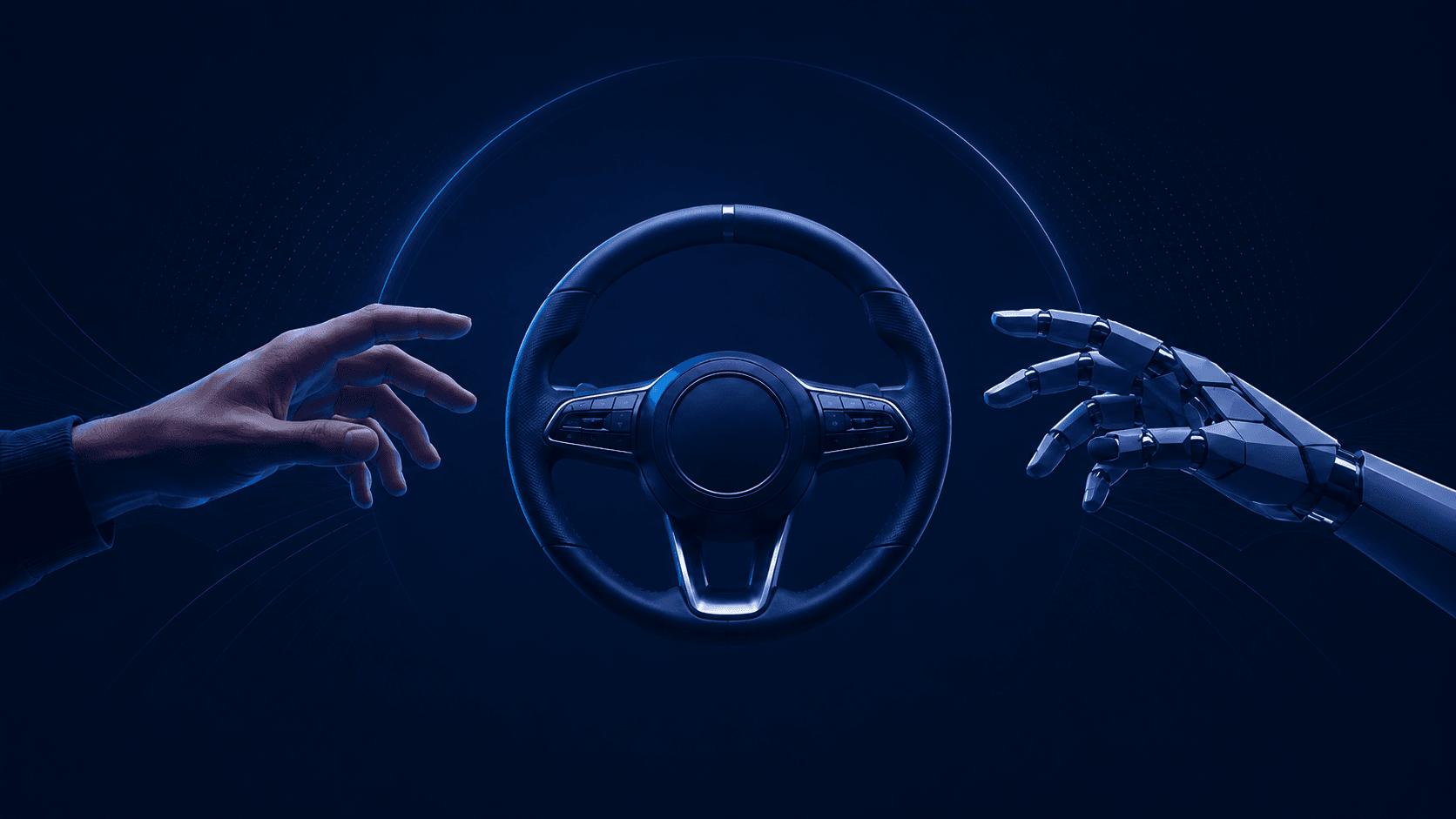
Choosing between automated and manual crypto trading is really one question: who makes the decision under pressure, a set of rules or you? Automated crypto trading uses software to place trades from rules you set in advance. Manual trading means you watch the market and place each trade yourself.
Neither is better in the abstract. The right fit depends on your time, your temperament, and how you handle a losing streak.
This guide breaks down both approaches by mechanism, not marketing. You will see what each one asks of you, where each one fails, and how to tell which suits your situation.
Automated vs manual crypto trading: the short answer
Manual trading gives you full control and full responsibility. You decide every entry and exit. That control is an advantage when you have a clear edge and the discipline to follow it. It becomes a liability the moment emotion takes over, which for most people is exactly when it matters most.
Automated trading removes emotion from execution. The software follows its rules the same way every time, whether the market is calm or crashing. The trade-off is that you hand over moment-to-moment control, and a rule cannot use judgment when something genuinely new happens.
So the decision comes down to one question. Is your main weakness a lack of discipline, or a lack of a reliable system? Automation fixes the first. It cannot fix the second.
How manual trading actually works
Manual trading is the version most people picture. You study charts, read news, form a view, and place orders yourself. You choose when to enter, when to exit, and how much to risk on each position.
The upside is flexibility. A skilled manual trader can react to context a rule would miss, like a sudden regulatory headline or a shift in market mood. You are never locked into logic that no longer fits.
The downside is that you are the system, including your worst moments. Manual trading demands constant attention, and crypto markets run 24 hours a day, seven days a week. You cannot watch them the whole time, so you will miss moves while you sleep.
The deeper problem is emotional. Most retail trading losses do not come from bad analysis. They come from panic selling near the bottom, buying out of fear of missing out, and holding a losing position too long hoping it recovers. Manual trading exposes you to all three, every day.
How automated crypto trading works
Automated trading runs your strategy as code. A strategy is simply a fixed set of rules for when to buy, sell, and how much to risk. Once those rules are set, the software executes them without you present.
The mechanism is a loop. The software reads live market data, checks it against your rules, and places or cancels orders through a connection to your exchange. Then it repeats, continuously, day and night.
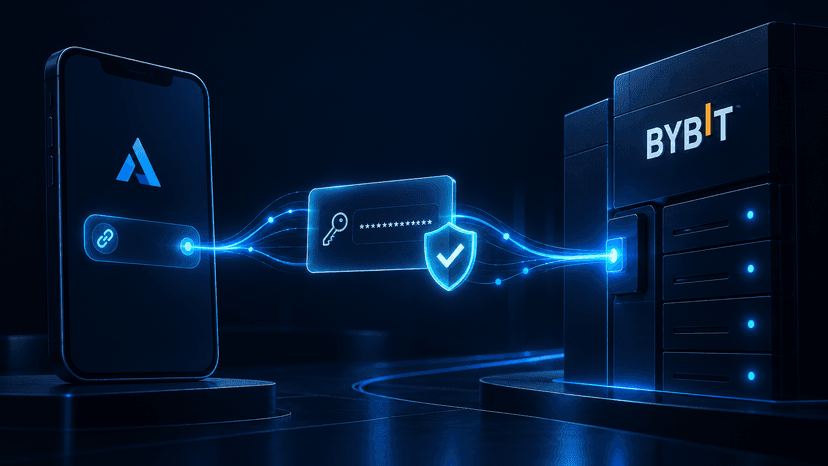
That connection matters for safety. Reputable automated tools connect through a trade-only API key, a credential that lets software place trades but not withdraw funds. Binance's own API documentation shows these permissions as separate switches you control, so withdrawal access is never required to trade. For a fuller walkthrough, see our guide to how trade-only API keys protect your funds.
The clearest benefit is consistency. The software will cut a loss at your stop level without hesitation, and it will not get greedy when a position runs. It also never sleeps, so it covers the overnight moves a manual trader misses.
Automation is not hands-off, though. A strategy needs monitoring, and it can lose money in stretches. "Set it and forget it" is a marketing line, not an accurate description.
The US Commodity Futures Trading Commission warns plainly that automated trading systems cannot predict the market or guarantee returns. It also names promises of guaranteed profit as a fraud marker.
The honest trade-offs, side by side
Neither approach is free of cost. Here is the real comparison.
Manual trading gives you judgment and adaptability. It costs you time, attention, and exposure to your own emotions. It suits people who have a genuine edge and the self-control to execute it. You also have to accept missing moves you were not awake to catch.
Automated trading gives you consistency, speed, and round-the-clock coverage. It costs you moment-to-moment control, and it will follow a flawed rule just as faithfully as a good one. Automating a poor strategy does not improve it. It just applies the flaw faster.
There is also a middle path. Some traders automate the mechanical part, like disciplined entries and exits. They keep a human hand on bigger decisions, such as when to pause the strategy entirely. You do not have to pick one approach forever.
Which one fits you?
Start with an honest look at three things: your available time, your emotional discipline, and whether you actually have a tested system.
Manual trading may fit you if you can commit real hours. It also asks that you stay calm when a position moves against you, and that you have an approach you trust. If watching a red position makes you act on impulse, manual trading will punish that.
Automated crypto trading may fit you if your main problem is consistency rather than knowledge. It helps if you cannot watch a 24/7 market, meaning one that trades every hour of every day. It also helps if you want rules followed exactly, even when you would be tempted to break them. And it suits beginners who want a systematic approach without building one from scratch.
One caution for beginners. Automation can feel like a shortcut past learning, and it is not. You still need to understand the strategy you are running, including how often it trades and how deep its losing periods can go. Our explainer on what a maximum drawdown figure tells you covers that number in plain terms.
Before you automate anything: watch it first
Whichever way you lean, do not commit real money to an automated strategy you have not seen run.
The safe order is simple. Watch the strategy trade first, on live market data with virtual money. Give it long enough to see quiet days, active days, and at least one losing stretch.
This is called paper trading, and it lets you judge behaviour before any funds are at risk. Our full guide to paper trading crypto explains how to read a run properly.
Only after that should you connect an exchange and go live. Payment and real funds come last, once you have evidence, not first on a promise.
FAQ
Is automated trading better than manual trading? Neither is universally better. Automated trading wins on consistency and 24/7 coverage. Manual trading wins on judgment and adaptability. The better choice depends on your discipline, your time, and whether you have a reliable system.
Is automated crypto trading safe? The execution can be safe if the tool connects through a trade-only API key. That keeps your funds on your own exchange, where they cannot be withdrawn. Trading risk remains, though. Any strategy can lose money, and no automation removes market risk.
Can I do both automated and manual trading? Yes. Many traders automate mechanical entries and exits while keeping manual control over larger decisions, like pausing during major news. You are not forced to choose one approach permanently.
Do I need coding skills for automated trading? Not always. Writing your own strategy requires programming, but many platforms offer pre-built strategies you select instead of code. When you use someone else's logic, understanding how it behaves matters more, not less.